AI-ARTS competition
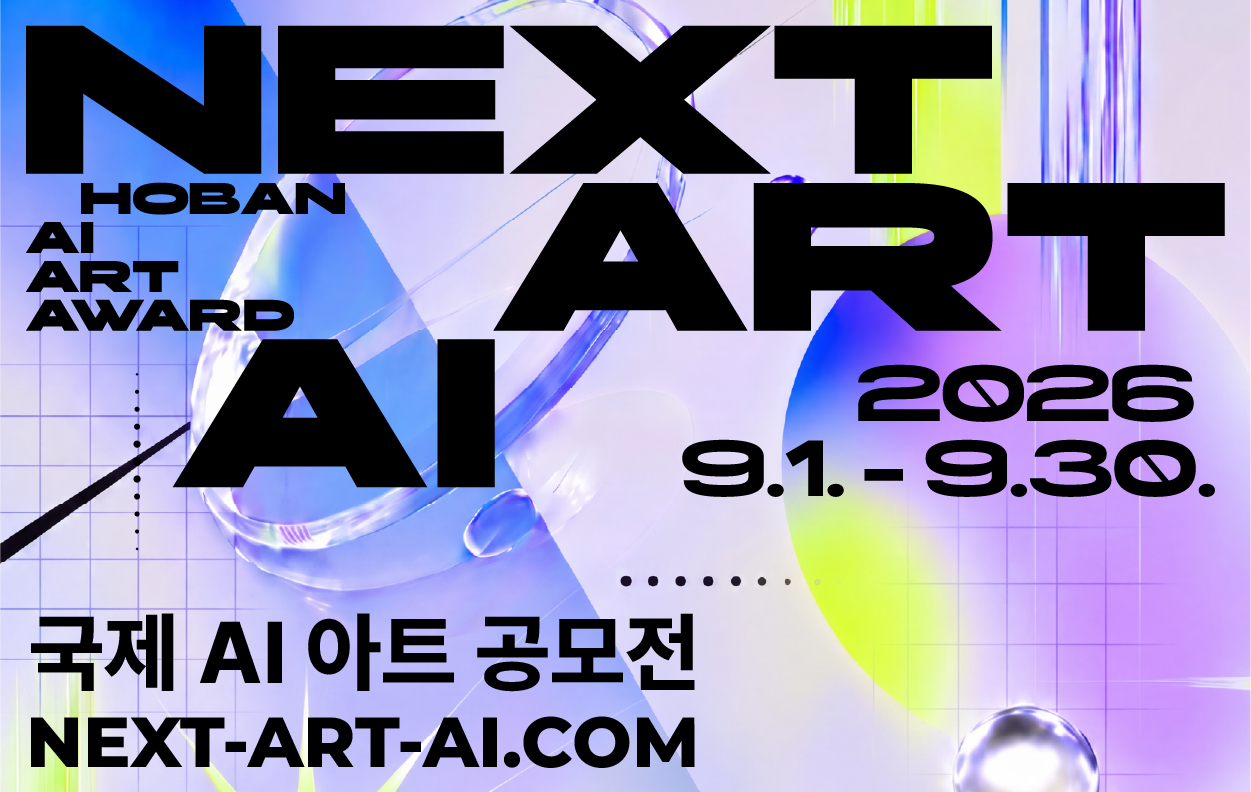
Reimagine — 5th AI-ARTS Competition 2026
Explore Reimagine — 5th AI-ARTS Competition 2026.
Organised by AI-ARTS.
Explore the competition
AI-ARTS competition
Explore Reimagine — 5th AI-ARTS Competition 2026.
Organised by AI-ARTS.
Explore the competitionFree for the AI arts community
The free foundation has supported AI artists for the last four years, and will continue to do so.
The platform is free for AI artists and the community. Additional features can be provided when you need more capacity, larger file uploads, a dedicated domain, or specialised features to support your practice.
Organisations can use the free platform tools for competitions, open calls, and galleries. Enhanced features are available for larger programmes that require more capacity, additional domains, or advanced functionality.
AI-ARTS artwork
Inspired by the Buddhist concept of Vipallāsa, this surreal series explores how the mind distorts reality through perception, interpretation, and illusion. By merging human and animal forms, the artworks invite viewers to question whether what they see is truly what exists—or merely what their minds believe.
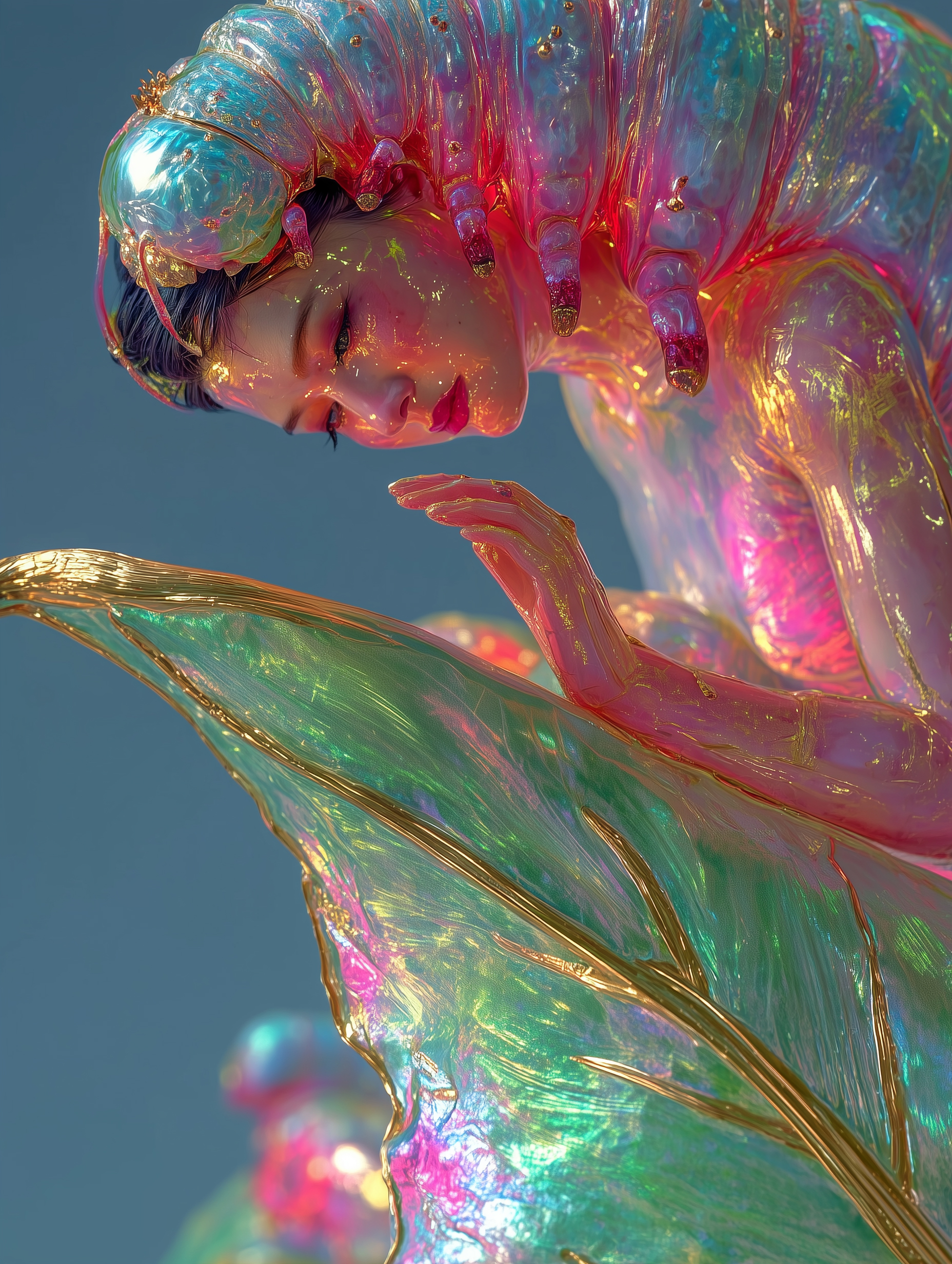
In Thai, the word “วิปลาส” can also mean something abnormal, unusual, or distorted. I wanted to combine these two meanings and express them through surreal images that blend human and animal forms.
I began by asking myself why we often judge things based on our beliefs, feelings, or preconceived ideas, even though reality may be very different from what we think.
For example, crows are sometimes seen as signs of bad luck. Pigs are associated with laziness. Snakes, with their forked tongues, are often used as symbols of dishonesty. Snails may remind some people of leeches. Worms are often considered ugly or disgusting simply because of their appearance and the way they move. Even chickens can be associated with the idea of making sharp, hurtful remarks, or what we call “จิกกัด” in Thai.
But in reality, these animals are not inherently good or bad in the ways humans describe them. They are simply living according to their nature.
I chose to combine humans and animals to create forms that look different from what we are used to seeing. I also intentionally mixed things that some people might consider ugly, frightening, or unpleasant with beautiful elements such as vibrant colors, flowers, and artistic textures.
I wanted beauty and strangeness to exist together in the same image, adding another dimension to the meaning of Vipallāsa. My intention was to create something that could attract viewers while also making them question what they were looking at.
Because in the end, what we consider beautiful or ugly, good or bad, may not depend entirely on the thing itself. It may also depend on our own thoughts, beliefs, and the way our minds interpret what we see.
Inspired by the Buddhist concept of Vipallāsa, this surreal series explores how the mind distorts reality through perception, interpretation, and illusion. By merging human and animal forms, the artworks invite viewers to question whether what they see is truly what exists—or merely what their minds believe.
In Thai, the word “วิปลาส” can also mean something abnormal, unusual, or distorted. I wanted to combine these two meanings and express them through surreal images that blend human and animal forms.
I began by asking myself why we often judge things based on our beliefs, feelings, or preconceived ideas, even though reality may be very different from what we think.
For example, crows are sometimes seen as signs of bad luck. Pigs are associated with laziness. Snakes, with their forked tongues, are often used as symbols of dishonesty. Snails may remind some people of leeches. Worms are often considered ugly or disgusting simply because of their appearance and the way they move. Even chickens can be associated with the idea of making sharp, hurtful remarks, or what we call “จิกกัด” in Thai.
But in reality, these animals are not inherently good or bad in the ways humans describe them. They are simply living according to their nature.
I chose to combine humans and animals to create forms that look different from what we are used to seeing. I also intentionally mixed things that some people might consider ugly, frightening, or unpleasant with beautiful elements such as vibrant colors, flowers, and artistic textures.
I wanted beauty and strangeness to exist together in the same image, adding another dimension to the meaning of Vipallāsa. My intention was to create something that could attract viewers while also making them question what they were looking at.
Because in the end, what we consider beautiful or ugly, good or bad, may not depend entirely on the thing itself. It may also depend on our own thoughts, beliefs, and the way our minds interpret what we see.
@konkanya-thepveerakul
Konkanya Thepveerakul is a Thai AI Fine Art artist and the creator of GoldenChiArt, specializing in surrealism, conceptual art, and visual storytelling inspired by cultural memory, symbolism, and Buddhist philosophy. Her work has received international recognition, including: * AI for Good 2026, Geneva — Canvas of the Future Artist Spotlight, selected among 12 artists, with exhibitions at Quai Wilson * ARTIVER 2026 — Human Spirit, Artificial Dreams, Best Fine Art Finalist * AI Design Awards 2026 — Two Special Recognition honors for Samsara and Rooted Identity Through GoldenChiArt, she explores the intersection of traditional cultural influences, contemporary fine art, and artificial intelligence.
publicationRecordDated
publicationRecordPresented
Private review notes and submission details remain private.
5.0 from 2 ratings
Selected from meaningful public signals such as the artist, released competitions, work type, categories, tags and title.


Recent public works from the AI-ARTS Gallery.