AI-ARTS competition
Reimagine — 5th AI-ARTS Competition 2026
Explore Reimagine — 5th AI-ARTS Competition 2026.
Organised by AI-ARTS.
Explore the competitionAI-ARTS competition
Explore Reimagine — 5th AI-ARTS Competition 2026.
Organised by AI-ARTS.
Explore the competitionFree for the AI arts community
The free foundation has supported AI artists for the last four years, and will continue to do so.
The platform is free for AI artists and the community. Additional features can be provided when you need more capacity, larger file uploads, a dedicated domain, or specialised features to support your practice.
Organisations can use the free platform tools for competitions, open calls, and galleries. Enhanced features are available for larger programmes that require more capacity, additional domains, or advanced functionality.
AI-ARTS artwork
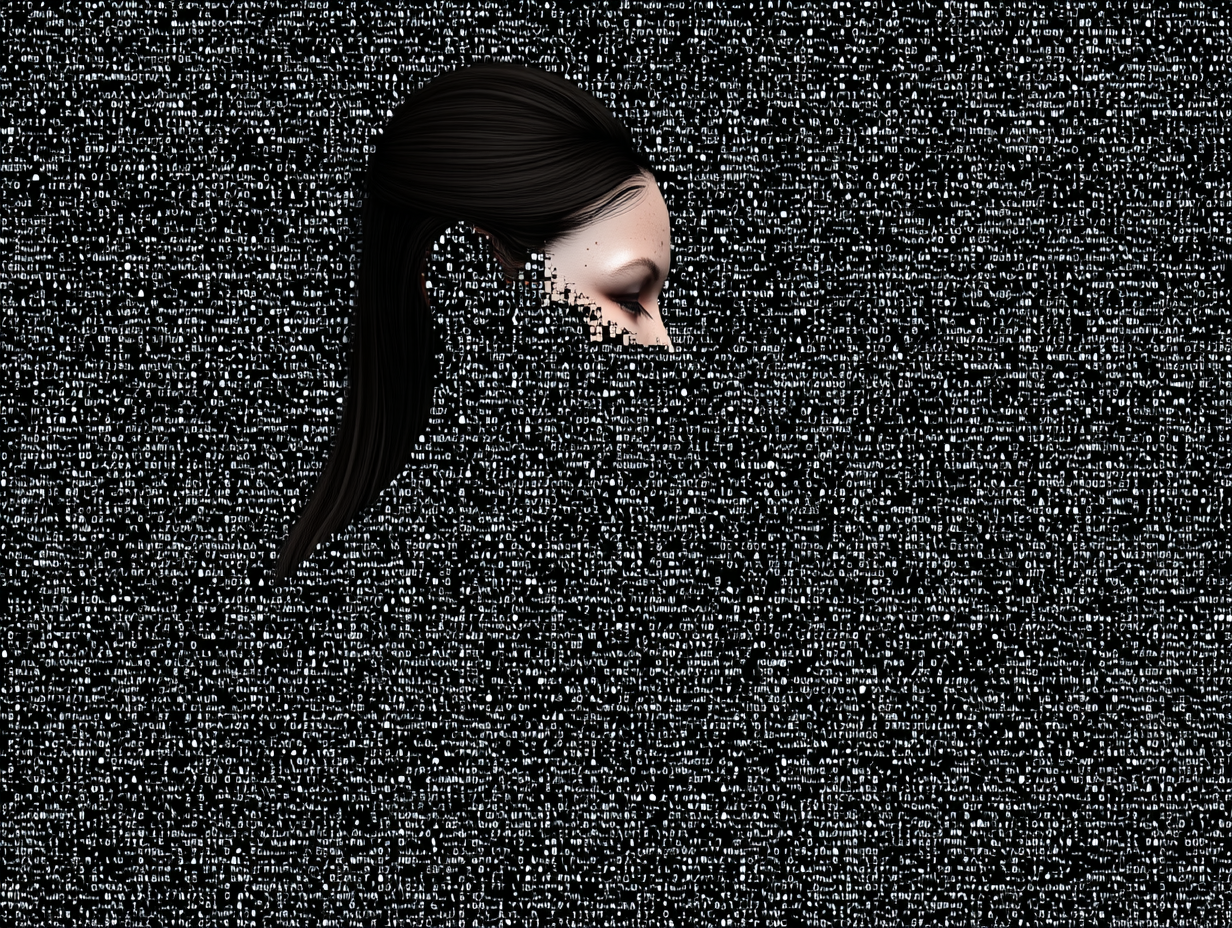
Syntaxe of Absence is a series of four digital images exploring absence as a structural condition rather than a void. Drawing on the syntax of computational language, the work examines the fragile relationship between presence, representation and the systems through which visibility is constructed.
What happens when absence is no longer understood as the opposite of presence, but as a condition that actively structures what can be perceived?
Syntaxe of Absence investigates the relationship between visibility, representation and computational logic through a series of four digital images.
The individual titles adopt the appearance of computer code, introducing a tension between the apparent precision of computational language and the ambiguity of human experience. The images operate within this tension, resisting the expectation that a system must produce a complete, coherent or definitive representation.
In response to the theme Reimagine, the series proposes a reconsideration of absence itself. Rather than attempting to restore what is missing, it approaches absence as a productive space in which meaning remains unstable and open to interpretation.
Artificial intelligence becomes part of this investigation, not merely as a mechanism for generating images, but as a medium through which the conditions of representation can be questioned.
The work extends my artistic research into the relationship between perception, digital systems and the unstable boundaries of human presence.
The female body, mediated through the avatar, appears as a signal, a trace and an unstable form of presence. Its visibility is negotiated between photographic capture, digital surfaces and computational transformation.
Syntaxe of Absence is a series of four digital images exploring absence as a structural condition rather than a void. Drawing on the syntax of computational language, the work examines the fragile relationship between presence, representation and the systems through which visibility is constructed.
What happens when absence is no longer understood as the opposite of presence, but as a condition that actively structures what can be perceived?
Syntaxe of Absence investigates the relationship between visibility, representation and computational logic through a series of four digital images.
The individual titles adopt the appearance of computer code, introducing a tension between the apparent precision of computational language and the ambiguity of human experience. The images operate within this tension, resisting the expectation that a system must produce a complete, coherent or definitive representation.
In response to the theme Reimagine, the series proposes a reconsideration of absence itself. Rather than attempting to restore what is missing, it approaches absence as a productive space in which meaning remains unstable and open to interpretation.
Artificial intelligence becomes part of this investigation, not merely as a mechanism for generating images, but as a medium through which the conditions of representation can be questioned.
The work extends my artistic research into the relationship between perception, digital systems and the unstable boundaries of human presence.
The female body, mediated through the avatar, appears as a signal, a trace and an unstable form of presence. Its visibility is negotiated between photographic capture, digital surfaces and computational transformation.
@deborakaz
Débora Kaz is a Brazilian contemporary visual artist with a degree in Fine Arts from FAAP. Her practice encompasses hybrid photography, immersive digital environments, installation, moving images and experimental sound. With over fifteen years of artistic exploration in virtual worlds, her work investigates relationships between body, identity, memory, architecture and technology. Her ongoing artistic research, Invisible Cities, examines the invisible structures that condition human existence, perception and belonging, with particular attention to the female experience and the enduring effects of violence. Combining original photography, digital manipulation, three-dimensional environments and generative artificial intelligence, she explores the boundaries between physical and virtual materiality, presence and absence, visibility and recognition. She is the founder and artistic director of Studio Débora Kaz, an independent platform dedicated to contemporary art and immersive artistic experimentation.
Published on Nov 28, 2026 after review and an explicit publication decision.
Presented in AI-ARTS Gallery.
Private review notes and submission details remain private.
Not rated yet.
Selected from meaningful public signals such as the artist, released competitions, work type, categories, tags and title.


Recent public works from the AI-ARTS Gallery.