When the Machine Learns to Dream: AI Art and the Culture It’s Creating
There’s a question hanging quietly in the cultural air:
What happens when art is no longer the sole domain of the human hand, but becomes a collaboration with the machine?
We’ve reached a point where artificial intelligence is no longer just a tool for automation or data processing—it has become a creative partner. Paintings, poetry, symphonies, fashion collections, architecture, and cinema are now being generated, edited, or evolved through AI in ways that would have seemed like science fiction only a decade ago.
But AI art is not merely a novelty or a technological trick.
It is a cultural shift—one that is reshaping how we create, how we view artistic value, and how we define what it means to be human in the act of expression.
From Technique to Concept
Historically, artistic revolutions have followed technology.
Oil paint allowed the Renaissance.
Photography altered the purpose of realism.
Film gave time and motion emotional language.
Digital art democratized access to creation.
AI is the next evolution in that lineage—not replacing expression, but transforming where skill sits in the process.
Where once mastery was measured in brushstrokes, AI art asks us instead to master:
ideas
intentionality
composition
curation
storytelling
editing rather than execution
The artist becomes a director, a conductor, a translator of thought. The craft shifts from the physical to the conceptual.
Far from being the "end of skill," AI demands new forms of skill—the kind rooted in imagination, interpretation, and narrative meaning.
A Culture of Collaboration
AI art is not made by machines—it is made with machines.
This distinction matters.
The model learns from us.
We learn from the model.
And somewhere in the middle, a new creative voice is formed—a hybrid intelligence.
In this sense, AI art mirrors the cultural moment we are living in: one driven by hybridity, interconnectedness, remix culture, and porous authorship.
Just as modern languages borrow, blend, and evolve, so too does AI art.
It is not static.
It is not pure.
It is not singular.
It is collective.
The Ethics and the Unease
Any cultural shift of this magnitude brings discomfort—and it should.
There are urgent questions:
Who owns an idea generated by a machine trained on millions of images?
Does originality still matter in a world built on recombination?
What happens to labour and identity as creative work automates?
Debates often polarize into utopian or dystopian narratives—but the reality is more nuanced.
AI art forces us to confront long-ignored truths: that all art is influenced, that creativity is iterative, that authorship is never entirely solitary. The difference now is scale and visibility.
For the first time, we can see creativity as a dialogue rather than a heroic solitary act.
And perhaps that honesty is progress.
Art for a New Imagination
AI art is not trying to mimic traditional painting or photography—not really.
What it is doing, more interestingly, is expanding the possible.
It allows:
impossible architectures
dreamlike narratives
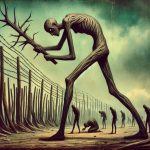
mythic beings
emotional landscapes
memories that never existed
worlds that feel familiar yet have no map
Human imagination is no longer constrained by the physical limitations of the hand or the cost of materials. The canvas has become infinite.
If traditional art shows us the world as it is, AI art allows us to explore the worlds that might be.
Why AI Art Matters Now
The arrival of AI in creative culture is not a threat—it is a catalyst.
It invites more people to create.
It democratizes experimentation.
It accelerates collaboration across disciplines.
It gives voice to imagination that may never have been expressed.
AI art doesn’t diminish humanity—it reveals a deeper layer of it.
Because regardless of the technology, the question remains the same:
What are you trying to say?
The tools may evolve, but meaning—the heartbeat of art—remains human.
Conclusion: We Are Already Living the Future
We stand at the beginning of a new cultural chapter—not the end of art, but the beginning of a new creative language.
AI art is opening corridors in the imagination that didn’t previously exist. It allows us to explore memory, identity, fantasy, and possibility in ways that stretch beyond the limits of traditional technique.
And like every artistic revolution, it will take time, debate, discomfort, and curiosity to understand what it means.
But one thing is clear:
The machine is learning to dream—
and we are learning how to dream with it.
Author Bio
David Miller is a visual artist and storyteller exploring memory, identity, imagination, and the emotional landscape of AI-assisted creativity. A former filmmaker and scriptwriter, he now works primarily with generative models, digital post-production, and slow narrative visual art rooted in symbolism and philosophy.
Instagram: @inlovewithitart
Website: davidmiller.art
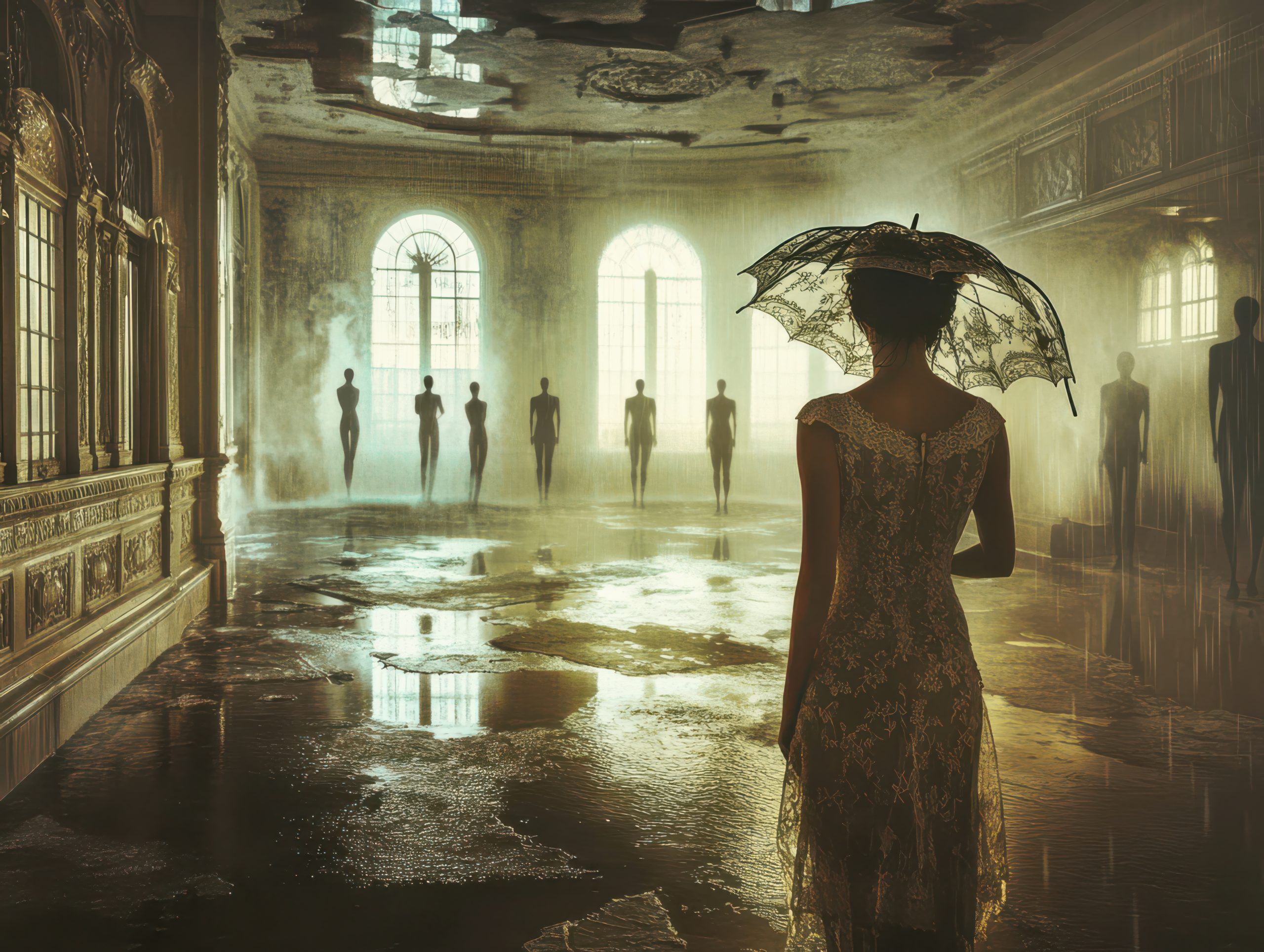
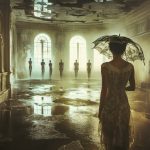
She stepped into the ruins of yesterday, where shadows remembered how to dance. Lace clung to her like memory, delicate and unyielding, as the rain painted stories on the marble floor. They watched—still, silent—ghosts of the past, or perhaps reflections of who she used to be. In this drowning grandeur, she didn’t seek escape. She sought meaning.
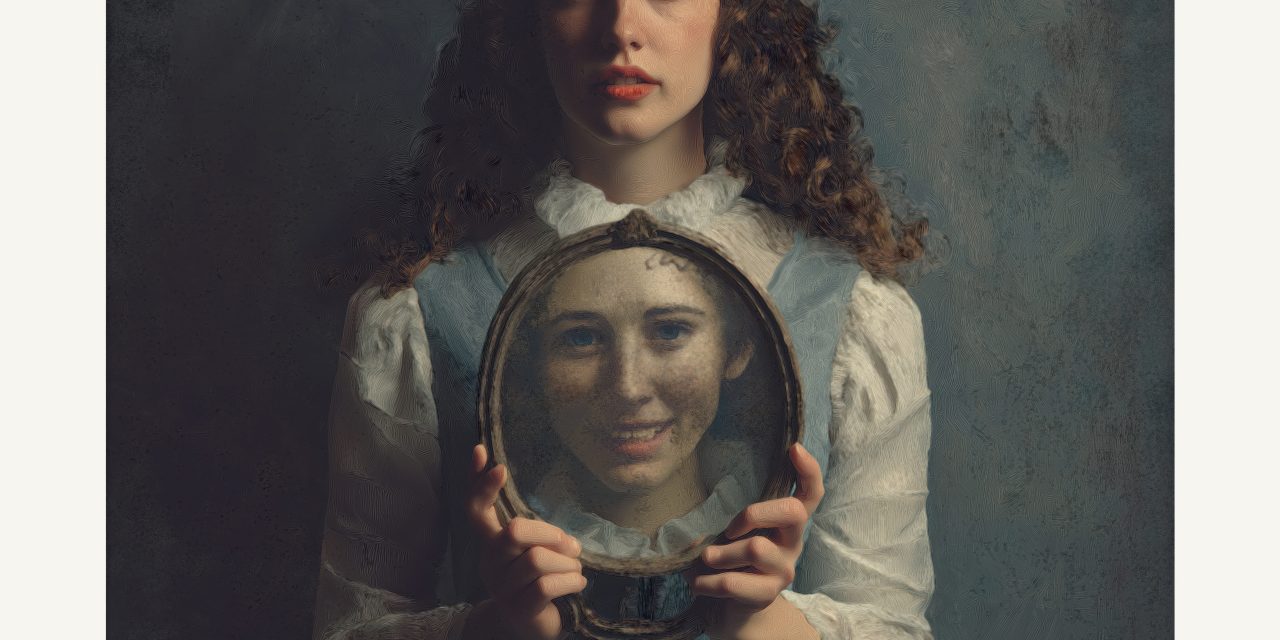
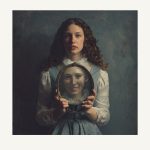
She held the mask to her daughter’s face—not to hide her, but to show her how the world sometimes demands disguise. Yet behind the porcelain stillness, she whispered truth: "Your softness is your strength. Don’t forget who you are beneath it all."
A quiet lesson, passed not in words, but in the weight of knowing.
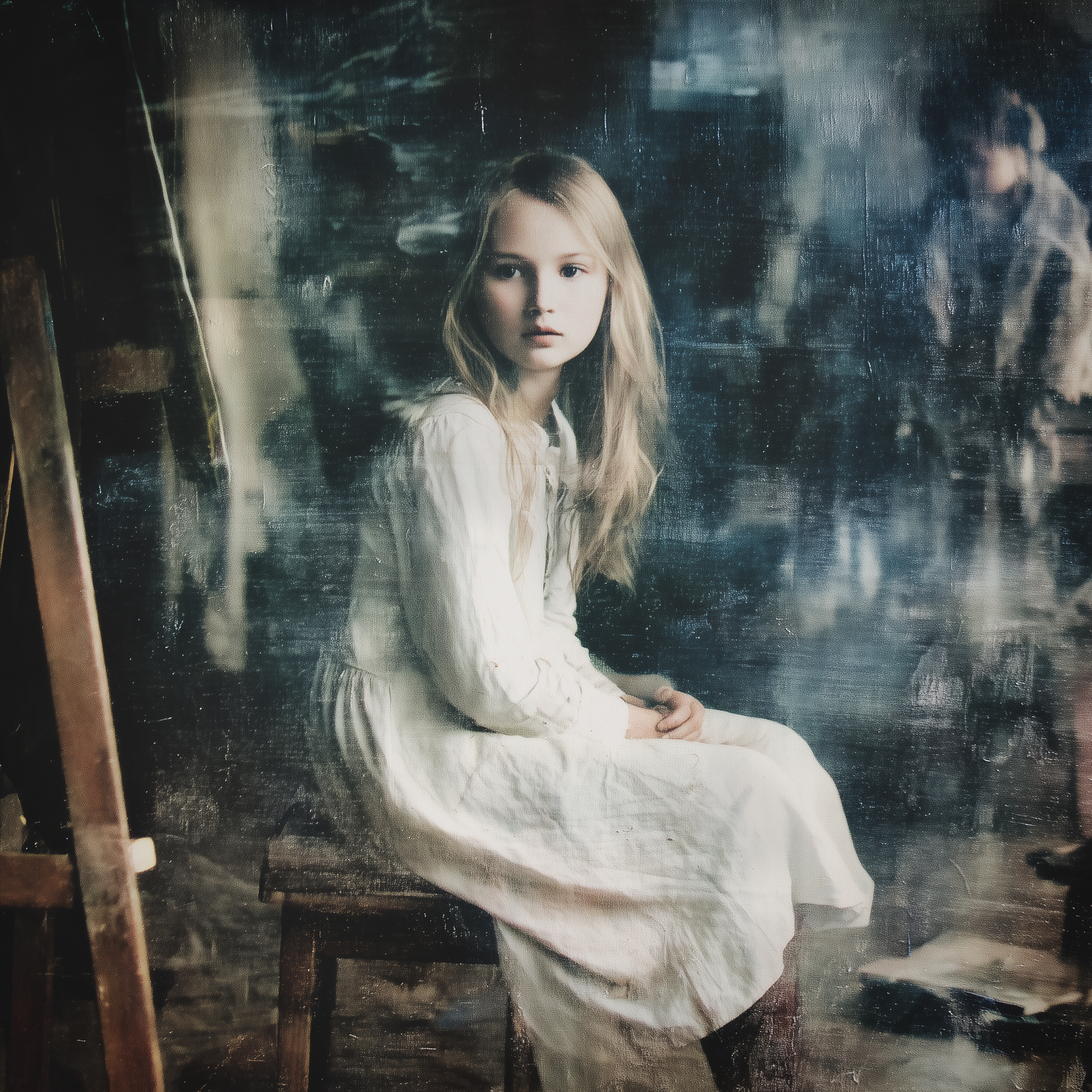
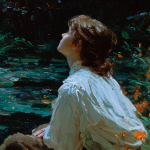
Girl in White
She sits, not posed but paused—
as if the air around her
had thickened with turpentine and thought.
The room, all shadow and varnish,
leans in to listen.





Comments